 Adult learners of English with Latvian, Polish, and Russian roots had a recent session at the new Balivanich School alongside their children. The theme was Christmas and the New Year, and they talked about their traditional ways of celebrating this time of year. Some of them had already written about it as well, as part of their “homework”. Mary Morrison, their tutor, was busy all night asking them questions. And she took notes also, to make sure the information was all recorded.
 The group had been invited into the school by the headteacher, Mrs Ferguson, so that they could look around and find out more about the excellent facilities there, so the children took great delight in showing their parents round. It was also an opportunity for the school to find out some more about the children’s cultures. Mrs Ferguson was particularly interested to find out more about foods and dishes, so the recipe book that the learners had prepared for the midsummer party was presented to her the very next day.
 You can read
 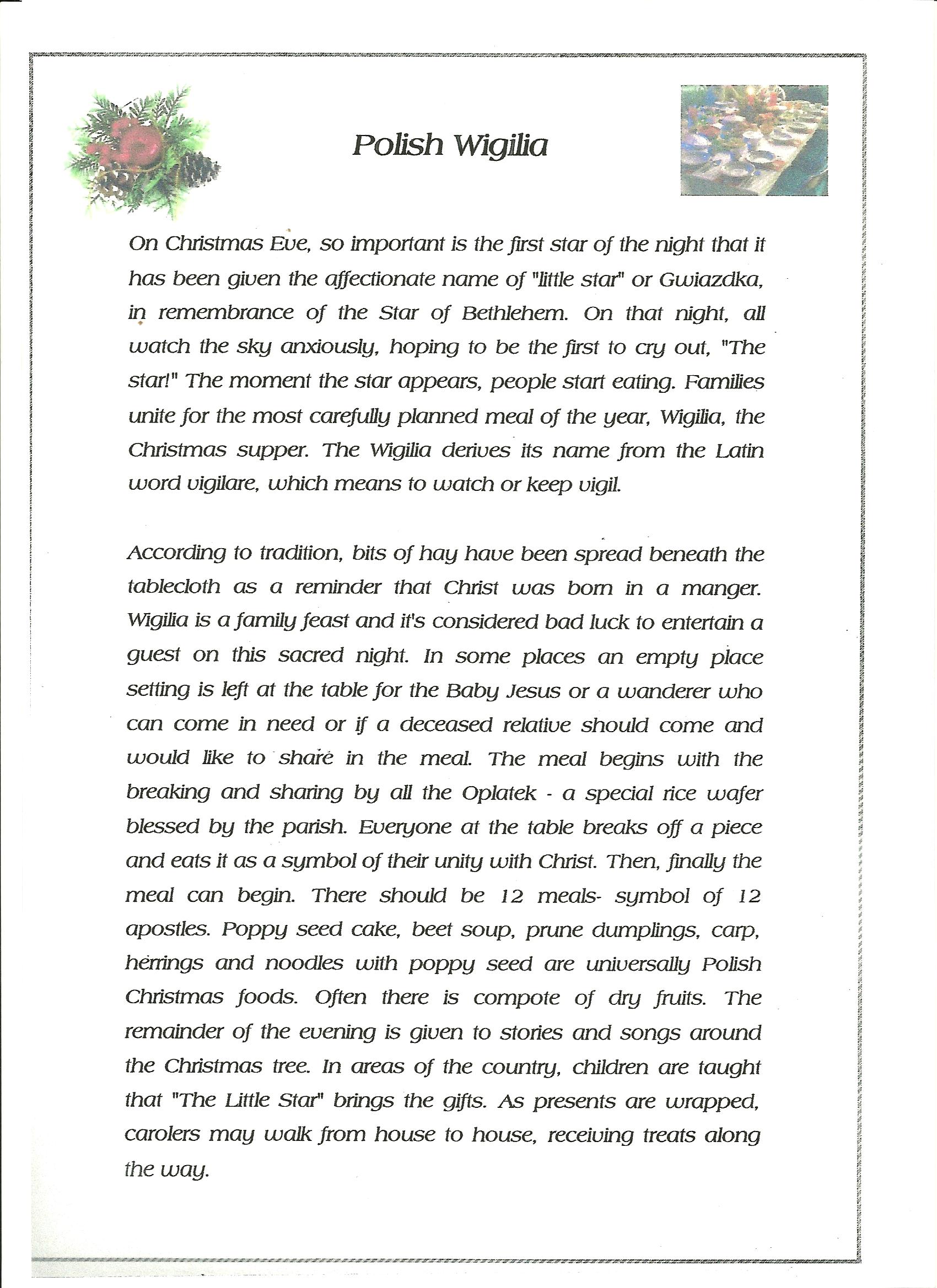 Radek’s description of the Polish “wigilia”. And Mary’s notes from the discussion here add more information about Latvian and Russian traditions, as well as Polish ones.
Òg no sean, nach eil e math a bhith ag ionnsachadh mu na diofar dhòighean a th’ aig daoine airson an t-àm-sa dhen bhliadhna a chomharrachadh? Ach tha aon rud ann a bhios sinn uile ag iarraidh:
Nollaig Chridheil agus Bliadhna Mhath Ùr – nuair a thig i!