The Multilingual Minister
In the 1600s, linguistic aptitude was important for a traveller, and English was not widely known outside these islands. This did not stop Gaelic-speaker, James Fraser, who, in 1657, set off on an adventure of a unique type for a Highlander in the early modern period, spending three years travelling swathes of southern, central, and western Europe by horseback, boat and mostly foot. Fraser’s experiences abroad included sampling wines and conversing in English in Padua to almost losing his clothes, bags and papers in the Spanish Netherlands only to be saved by his use of a form of Gaelic to solicit help from a friendly Irishman.
Fraser’s life and writings offer a fascinating insight into the ‘Babel of Tongues’ in the seventeenth century firthlands of northern mainland Scotland, where local languages with everyday functions (Gaelic, Scots and increasingly English) were, for some, mixed with Latin, Greek and Hebrew learned through education or languages that followed international mobility within the North Sea area. For James Fraser, multilingualism was cemented at home, in his childhood, as a student, as a minister, but also influenced significantly by the multiplicity of voices he heard on the journey he made through Europe.
To learn more, join us on Thursday 22 September 2022, 5.30pm for our first 2022-23 History Talks Live event by Professor David Worthington on the ‘The Multilingual Minister: languages in the life-writing of Scottish Highland scholar and traveller, Rev. James Fraser (1634-1709)’. Please note this event is a hybrid event with the option of joining either in person or online.
Please note this content is only accessible through the link used on our social media channels.
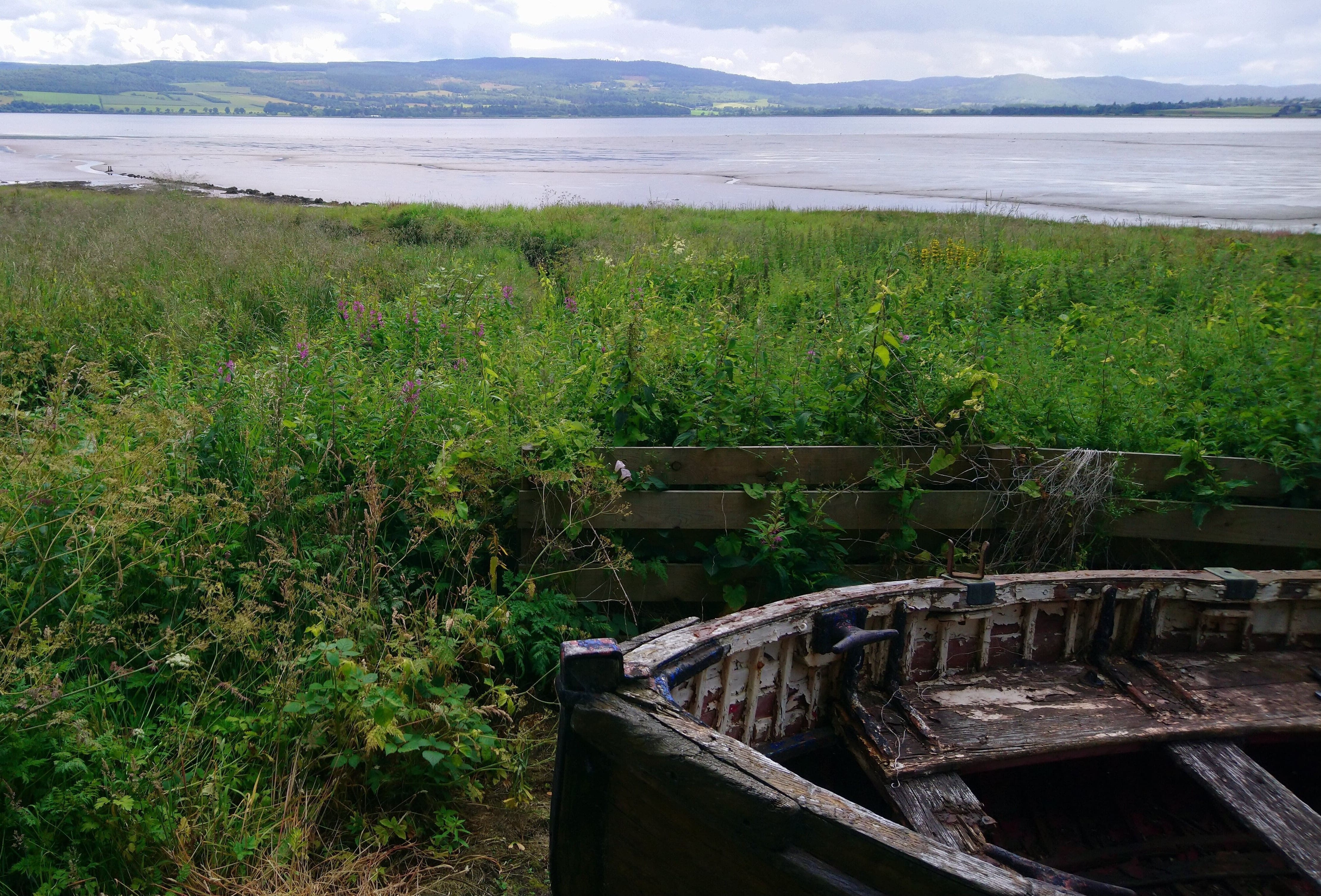
View across the Beauly Firth towards Kirkhill, which was the parish of Rev. James Fraser. Photo taken from Redcastle.