Visiting Professor speaks at prestigious international tourism conference
A Visiting Researcher at UHI North, West and Hebrides has spoken at a prestigious international conference exploring the future of tourism and hospitality following natural disasters and the growing impact of climate change.
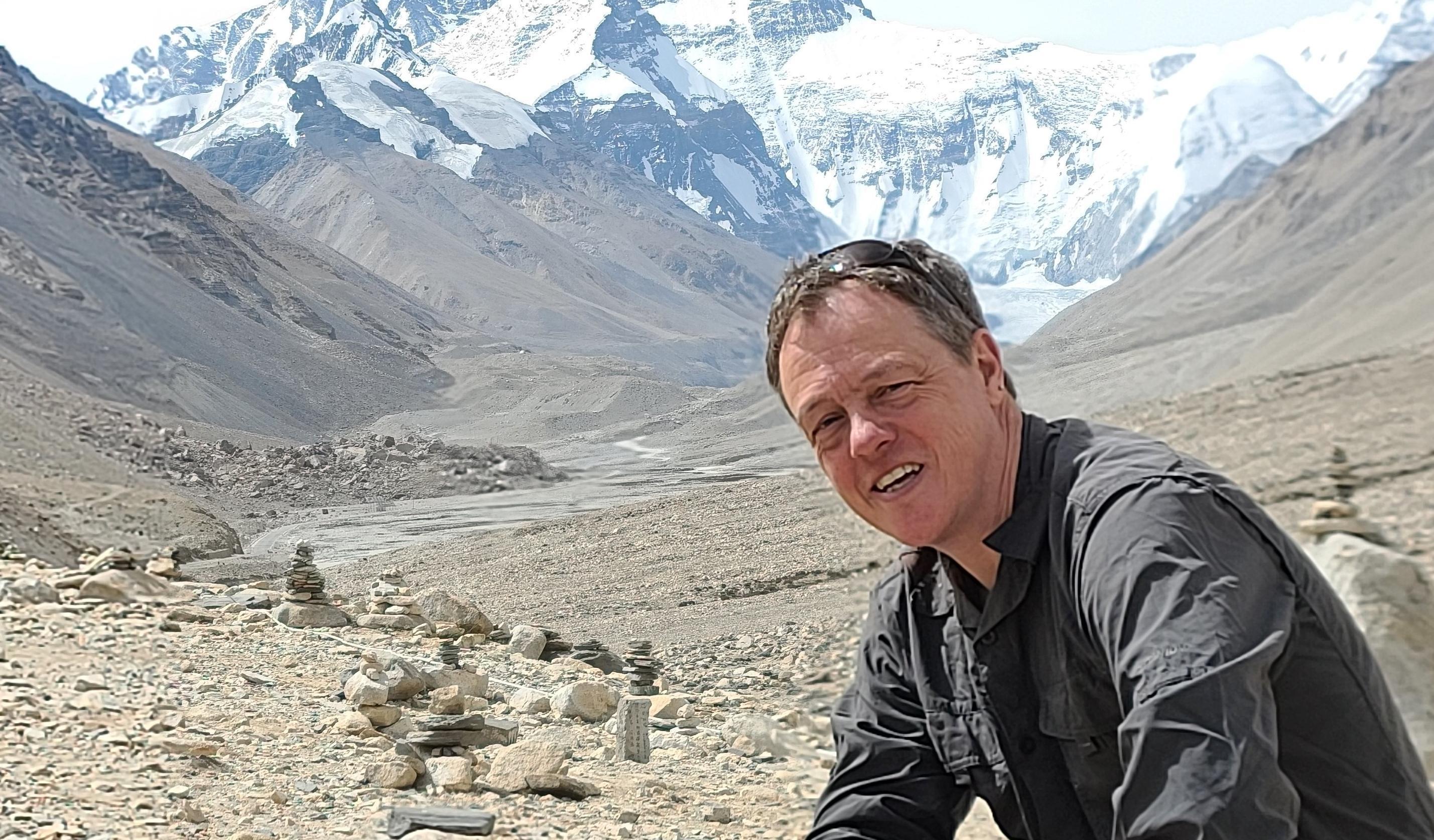
Dr Carl Cater, a Visiting Professor at the Centre for Recreation and Tourism Research in Fort William, was invited to speak at the Beyond Recovery: Sustainable Tourism, Hospitality and Inclusive Development conference, hosted online by the Asian Institute of Technology and Management in Nepal.
The three-day conference, running from 18 to 20 November, has brought together international academics and tourism professionals to consider lessons from Nepal’s recent floods and the wider challenges facing destinations affected by climate change and natural hazards.
Dr Cater’s presentation examined how tourism can support more sustainable livelihoods and resilient mountain communities as the pace of environmental change accelerates.
His contribution focused on the implications of increasingly frequent and severe hazards in mountain regions, including the longer-term social, economic and cultural impacts on communities that depend on tourism.
Dr Cater, who is also an Associate Professor in Tourism at Swansea University, said:
“Mountain regions are places of constant change, but the pace and scale of that change is increasing as a result of climate change.
“Tourism can play an important role in supporting sustainable livelihoods, but we need to understand the range of vulnerabilities that communities face and consider how these can be addressed together.”
Dr Steve Taylor, Associate Professor and Director of the Centre for Recreation and Tourism Research, added:
“It is fantastic to see Carl representing the Centre at an international conference of this calibre.
“His contribution highlights the important role that tourism research can play in international discussions around sustainability, resilience and the future of tourism in some of the world’s most challenging environments.
“It also demonstrates the value of our international partnerships, which create opportunities to share expertise and connect with colleagues and institutions around the world.”