Scotland's Music (SCQF level 7) CPD Award
Online course study from anywhere in the world
Dive into the captivating stories and sounds of traditional Scottish music and explore how timeless tunes and instruments continue to shape the music we enjoy today.
In this vibrant module, we invite you to journey through the music and songs of the Highlands, Islands, and the entire Scottish landscape. We'll move from ancient melodies to modern interpretations, emphasising their rich social and cultural contexts along the way.
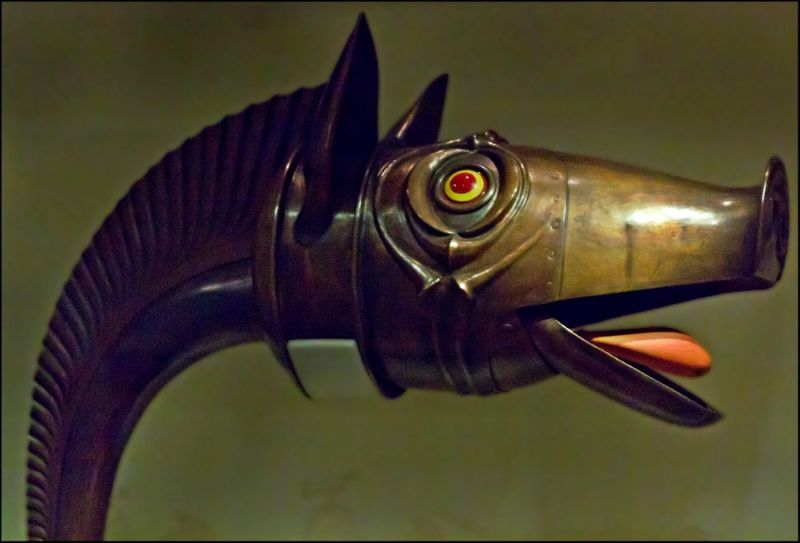
Prepare to be enchanted by the haunting tones of the ancient carnyx and discover the medieval bardic tradition where the courage to commend or critique could sway the hearts of chieftains. We’ll celebrate the crucial role of the fiddle in local communities and the ballads that beautifully narrated everyday life and legendary adventures.
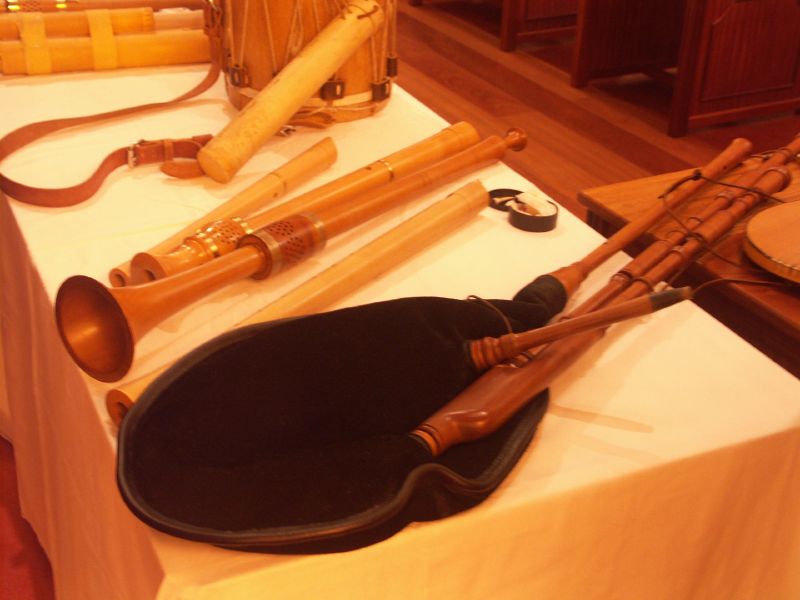
As we progress, you’ll witness the remarkable evolution of the bagpipes—from humble beginnings to becoming a celebrated national emblem of Scotland. We’ll also engage in thought-provoking discussions about the current state of Scottish music across genres, pondering the future of traditional sounds and what truly defines ‘folk’ music today.
Through CPD Scotland's Music (SCQF level 7), you’ll have the opportunity to explore the profound musical traditions of the Highlands and Islands, viewing them from both historical and social angles. This is more than just a study; it’s an invitation to appreciate how these traditions evolve and understand the vibrant cultural forces that inspire innovation within Scottish music.
Join us in this exciting journey of discovery!
To apply, click on the 'Apply Now' button which will take you through to the UHI course application page.
Special Features
- Learn about Scotland's unique musical heritage
- Understand how it continues to evolve today
Entry Requirements
- No formal qualifications are required, although it’s recommended that you are able to work at SCQF level 6 or above
What We Cover
- We’ll explore the music of Scotland from the earliest times to the present day, looking at how music and song have shaped, and been shaped by Scottish society.
- Throughout our journey together, you'll listen to, read about, and discuss the music and song which has helped to make Scotland what it is today.
- This module is perfect for anyone seeking a fresh perspective on Scottish music and bardic traditions, enhancing your CPD portfolio, or simply wanting to explore something new. Join us as we discover how history beautifully intertwines with the present!
Weekly Summary
| Week | Content |
|---|---|
| 1 | Welcome week: What is Scotland's Music? |
| 2 | Ancient whistles and 'peculiar and barbaric' trumpets |
| 3 | Bells, chants and 'tree music' in the Middle Ages |
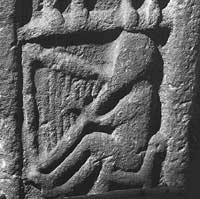
| 4 | Bards, harps and the importance of praise & satire |
| 5 | Shawms, sackbutts and Italian wind band: the Renaissance in Scotland |
| 6 | From low status to national symbol: the story of the bagpipe |
| 7 | The fiddle - a true 'folk' instrument |
| 8 | Murder, love and faulty farm equipment: the world of ballads |
| 9 | Songs of loss and longing - Gaelic song after the Age of Bards |
| 10 | 'Land of the Mountain and the Flood': Scotland and classical music |
| 11 | The folk revival: origins and aftermath |
| 12 | What is the music of 'the folk'?: Grassroots performance culture in Scotland today. |

Assessment
The module has two assignments. The first is a short piece (maximum 1200 words) which lets you engage in some detective work- following the clues in archaeology, writings and art for how an ancient or medieval instrument of your choice was used. Can the evidence tell us when the instrument might have been used, how it might have been played and who might have played it?
The second assignment is an essay of your own choice (maximum 1800 words), which lets you dive more deeply into a topic which interests you. Choose from a suggested question or create a new question of your own in consultation with the course leader.